
Flood zone rules affect elevation, foundations, what’s allowed below the elevated floor, and the documentation needed to permit and insure the home.
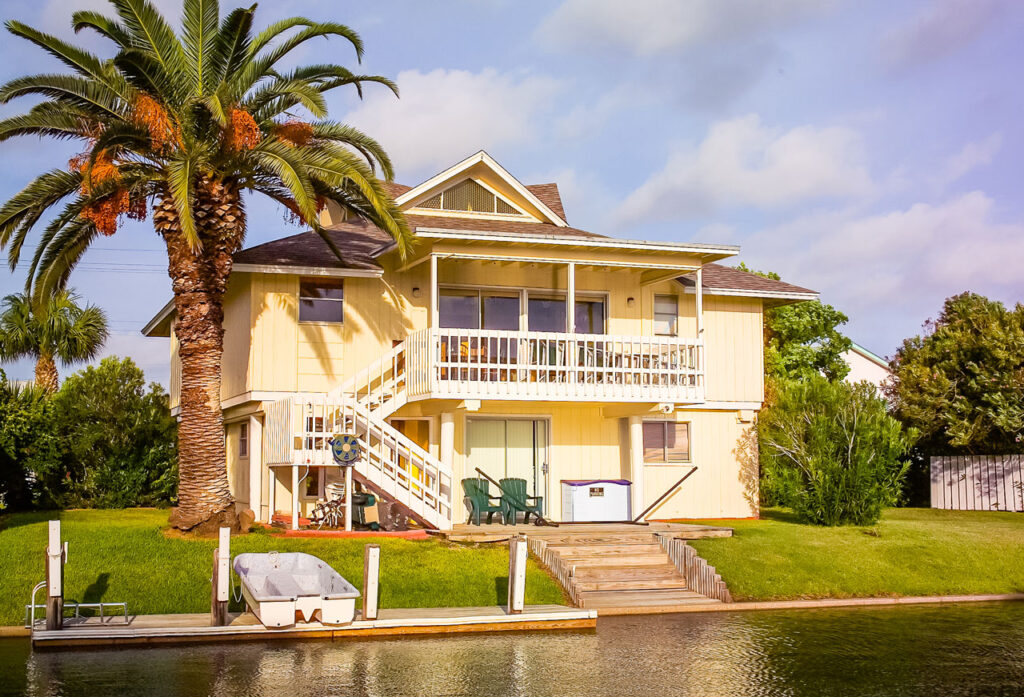
Building in a flood zone means your home must be designed to meet floodplain requirements tied to your specific parcel. That typically includes:
Flood-zone homes are not just “raised homes.” They are compliance-driven designs where elevation, structure, and below-elevation use must align.
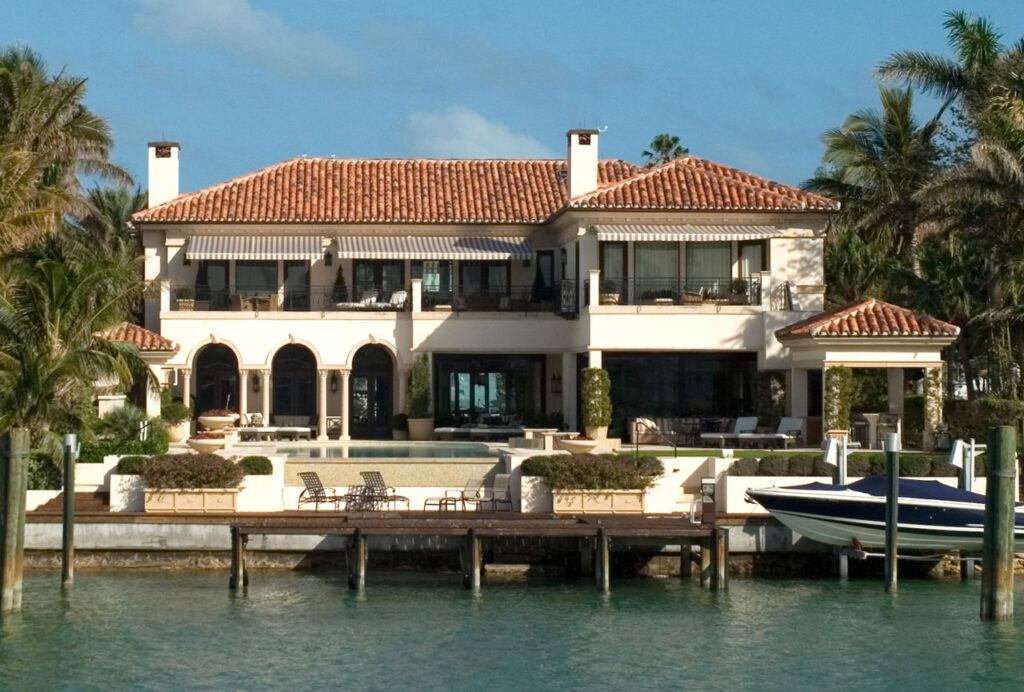
You’re in the right place if you are:
Your elevation strategy establishes how the home will function: entry, stairs, garage, and whether an elevator makes sense.
Near-water and coastal exposure often requires structural planning that starts earlier than inland homes.
If you’re in wave-affected conditions (Coastal A/V concepts), the foundation and below-elevation strategy become less flexible. Don’t design first and “retrofit” compliance later.
The #1 homeowner mistake is assuming the bottom level can become living space later. In flood/coastal contexts, that assumption can be restricted or require very specific compliant design.
A compliant lower level is typically planned for:
Flood-zone builds are documentation-sensitive. The cleanest projects:
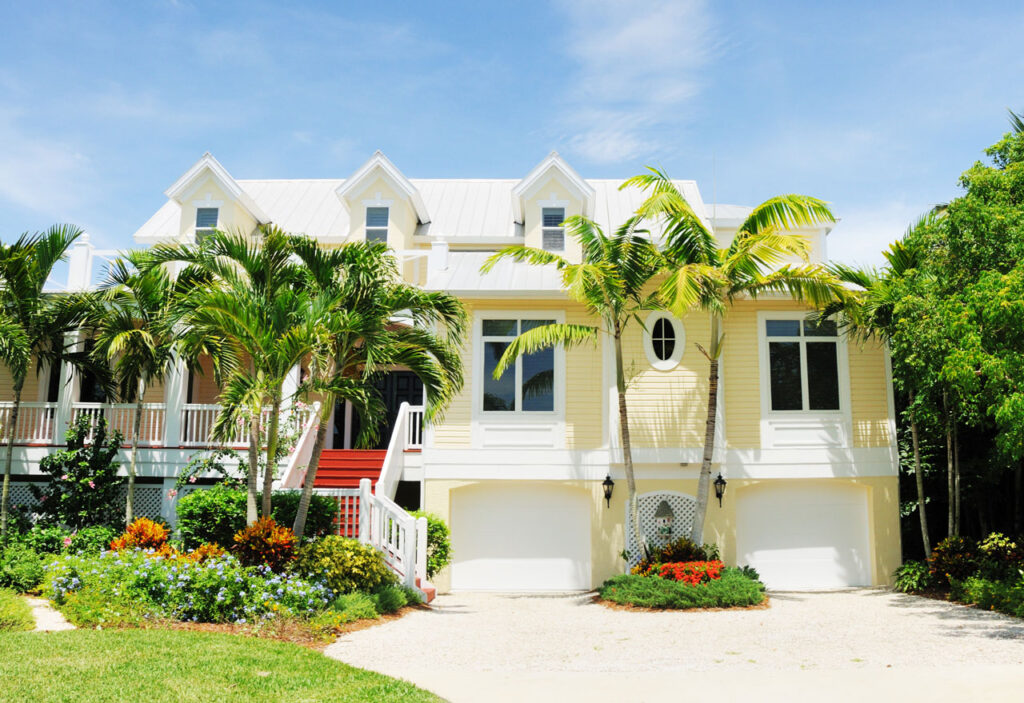
Pinellas waterfront builds tend to involve additional constraints that influence feasibility:
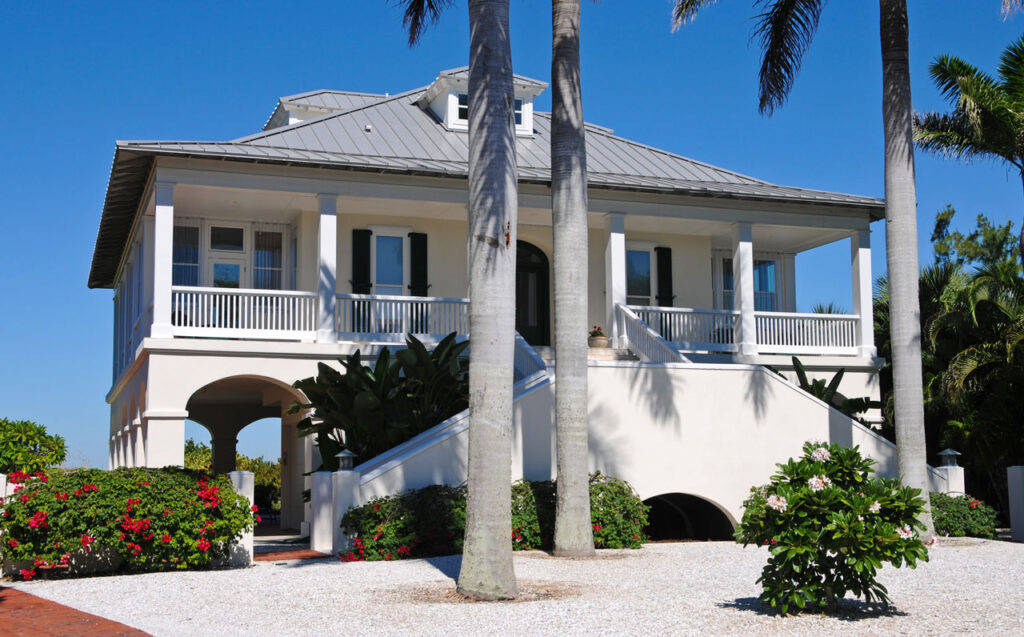
Waterfront lots can be emotionally compelling—but feasibility is math + rules. Confirm early.
FEMA compliance is a system: elevation + structure + below-elevation plan + documentation.
In coastal/wave-affected contexts, below-elevation design must be intentional from day one.
Coastal and near-water builds often require more clarity and documentation—plan accordingly.
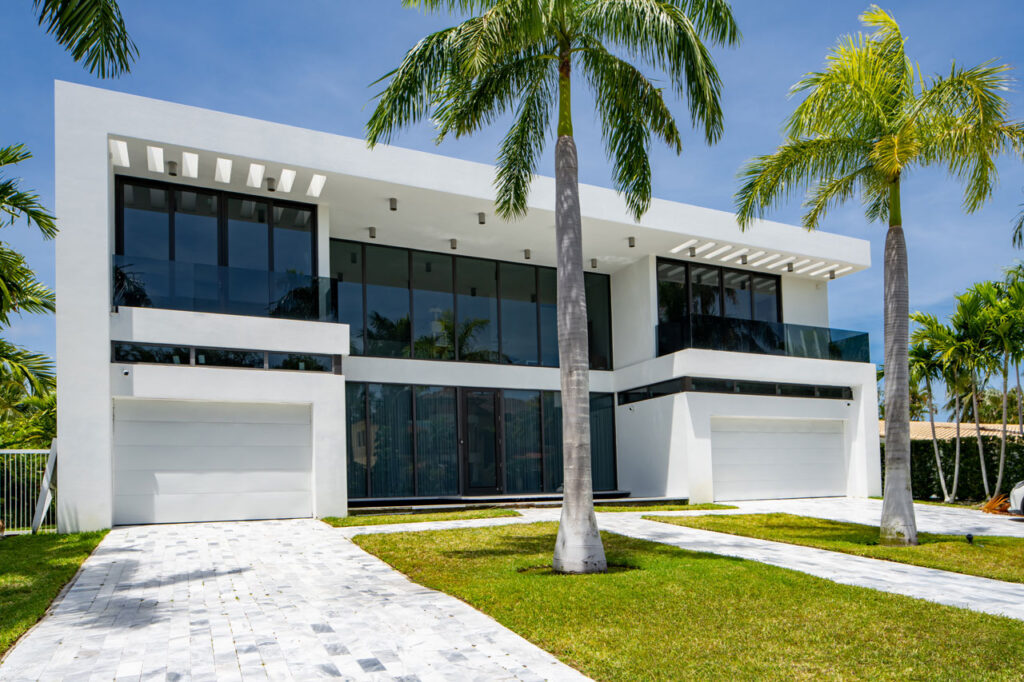
This sequence prevents most surprises:
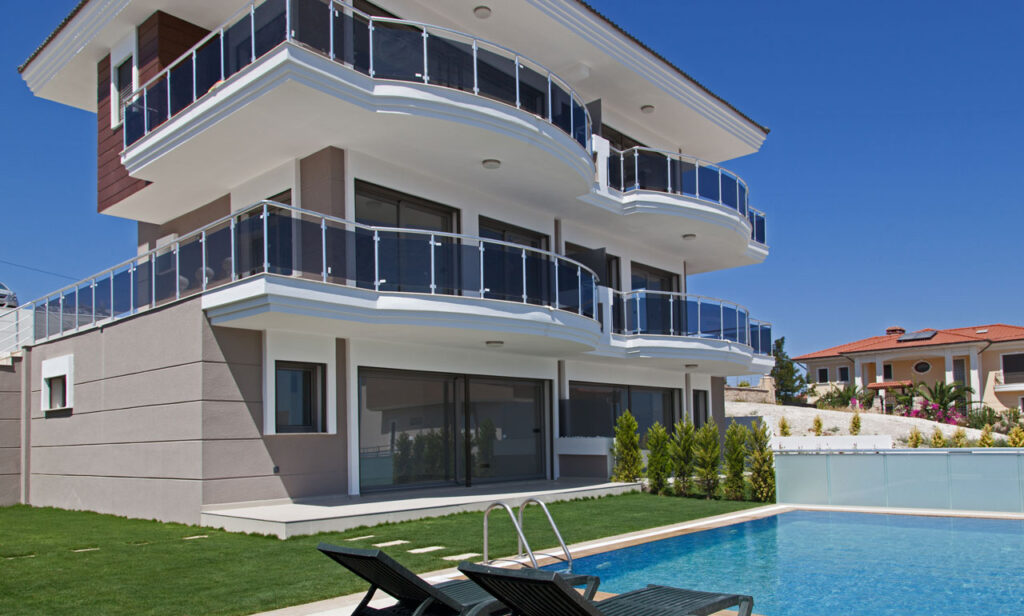
This is not a sales pitch. It’s a feasibility conversation.
We’ll cover:
Often yes—but feasibility depends on flood zone, required elevation, lot constraints, and local permitting requirements. Confirm early.
It depends on your parcel’s BFE and the applied design/permit target (often incorporating freeboard/DFE). Start here
It means the home is designed, elevated, and documented to meet floodplain requirements for the specific lot. See:
Yes—wave effects can change foundation approaches, lower-level constraints, and documentation sensitivity. See:
That assumption is often constrained in flood/coastal contexts. Plan the lower level as compliant space from the start.
Confirm feasibility: flood zone, elevation target, and the early design constraints that affect everything downstream.