
On Pinellas barrier islands and some exposed waterfront areas, wave effects change the rules. Coastal A and V zones can affect foundation choices, what’s allowed below the elevated floor, and the documentation required for permits.
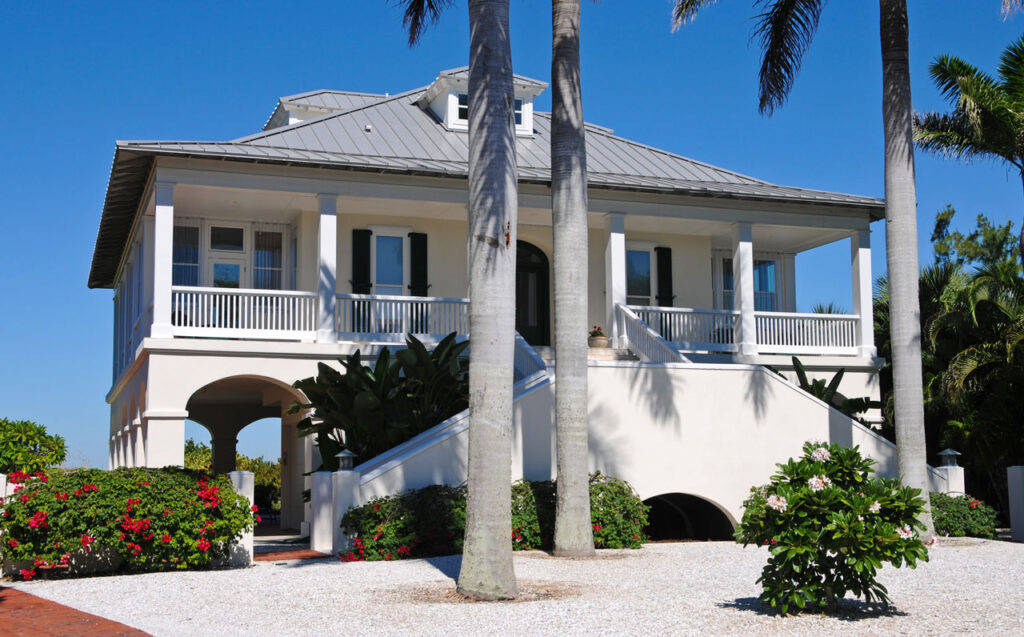
A flood hazard area where wave effects may be present, even if mapped as an A-type zone in some contexts.
A coastal flood area subject to wave action and higher storm-driven risk.
If your parcel is in Coastal A or V conditions, you should assume tighter constraints on lower-level enclosures and a more coastal-specific foundation strategy.
In wave-affected zones, the area below the elevated floor is often treated as controlled space (parking/access), not future living area.
Why this matters:
Designing a ground-level “future suite” and hoping to make it work later is one of the most expensive coastal mistakes.
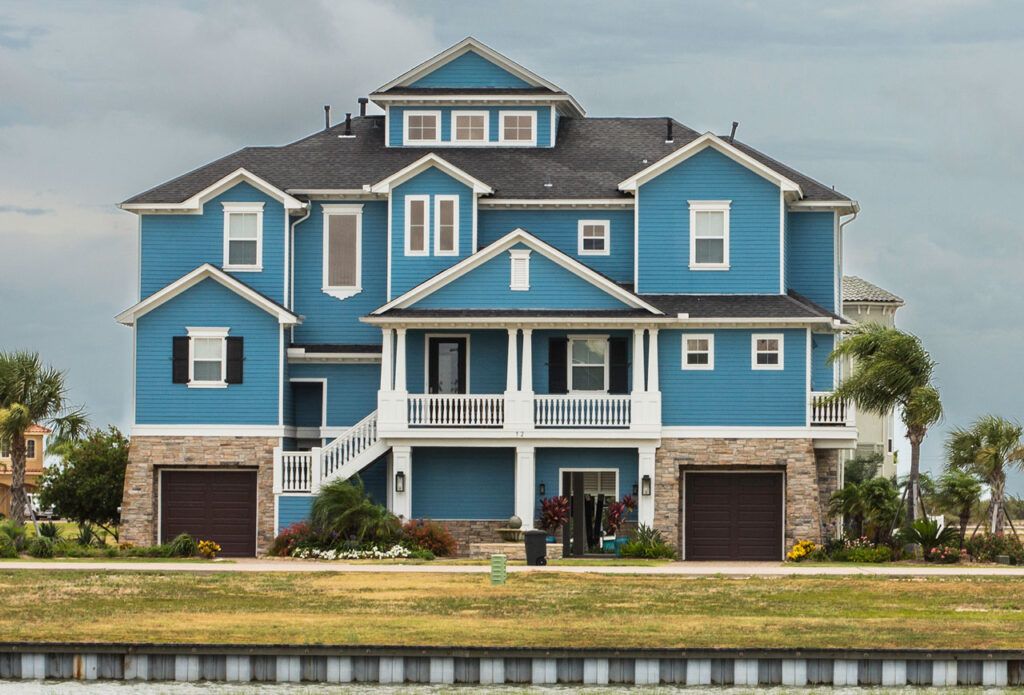
Breakaway walls are designed to fail under certain flood/wave forces without compromising the elevated structural system.
What owners should know:
Wave action, erosion/scour risk, and lateral loads typically push coastal designs toward more robust structural and foundation approaches.
Key takeaway:
In Coastal A/V conditions, elevation strategy + foundation + lower-level design + utilities must be planned as one system—early.
Coastal-zone projects generally require:
If you’re near the Gulf or in a wave-affected area, plan for a permitting and inspection approach that prioritizes compliance clarity from day one.
Some coastal parcels may also be affected by Florida’s Coastal Construction Control Line (CCCL) program, which can impact siting, permitting steps, and timeline on beach/dune-influenced properties.
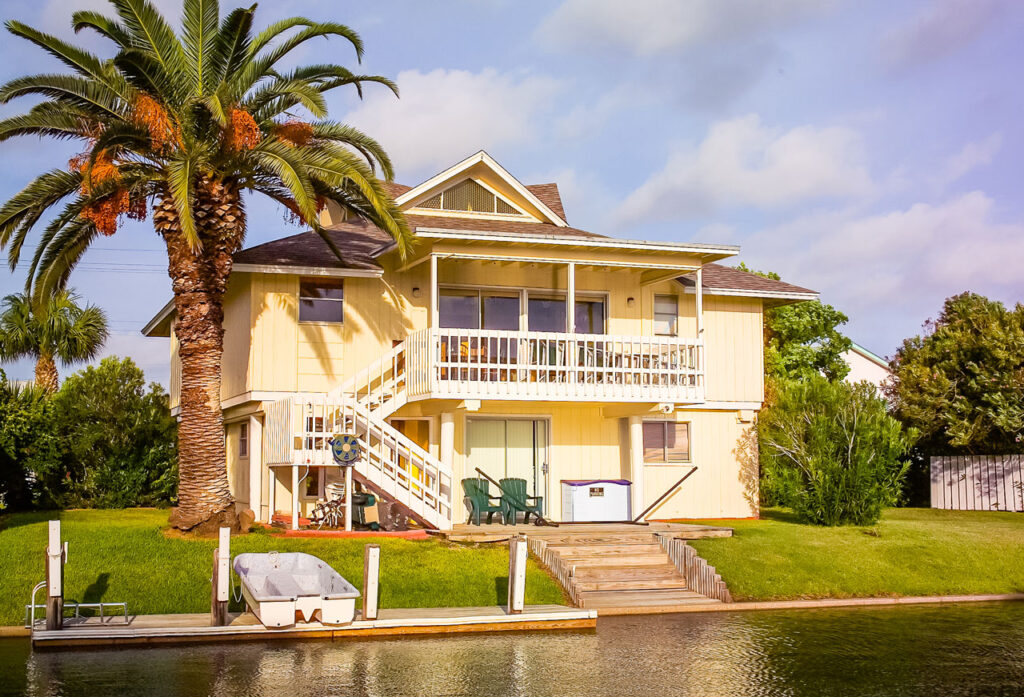
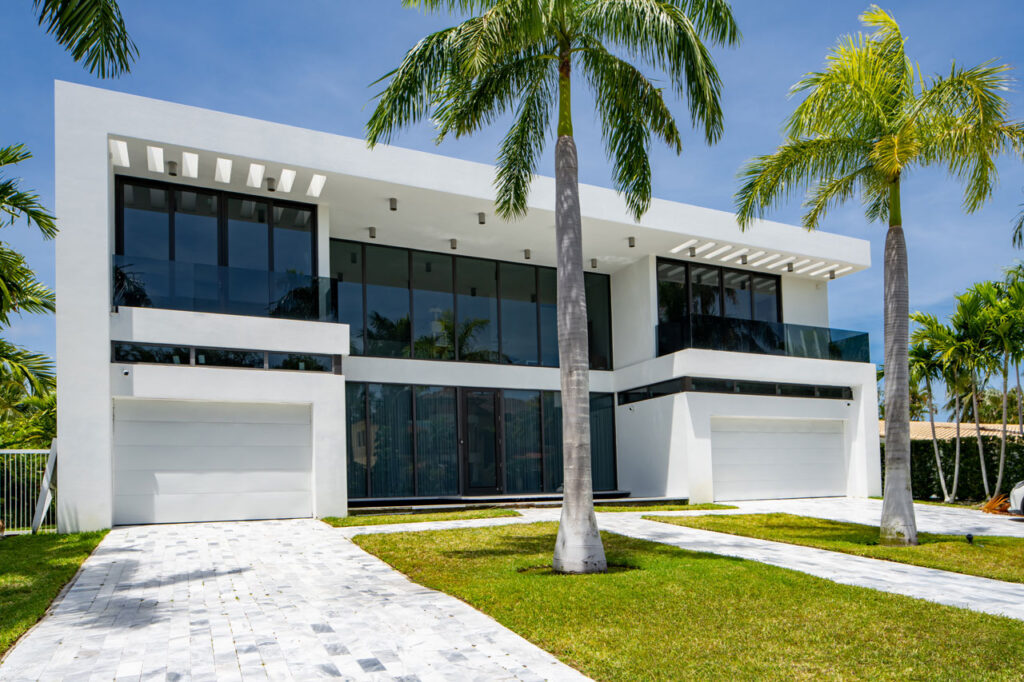
A flood hazard area where wave effects may be present, which can change design and compliance expectations.
A coastal high hazard area subject to wave action and higher storm-driven risk.
Many designs in wave-affected areas rely on deep foundations, but the correct approach must be engineered for the parcel.
Walls intended to fail under certain wave/flood forces without compromising the elevated structure—affecting how lower-level enclosures are designed.
Enclosures and below-elevation uses are constrained and must follow applicable floodplain rules and local enforcement expectations.