
If you’re building on Pinellas County’s barrier islands or near the Intracoastal Waterway (ICW), “BFE” is one of the first numbers that will shape your entire project. BFE influences elevation requirements, design feasibility, permitting, and often the long-term economics of owning a home near the water.
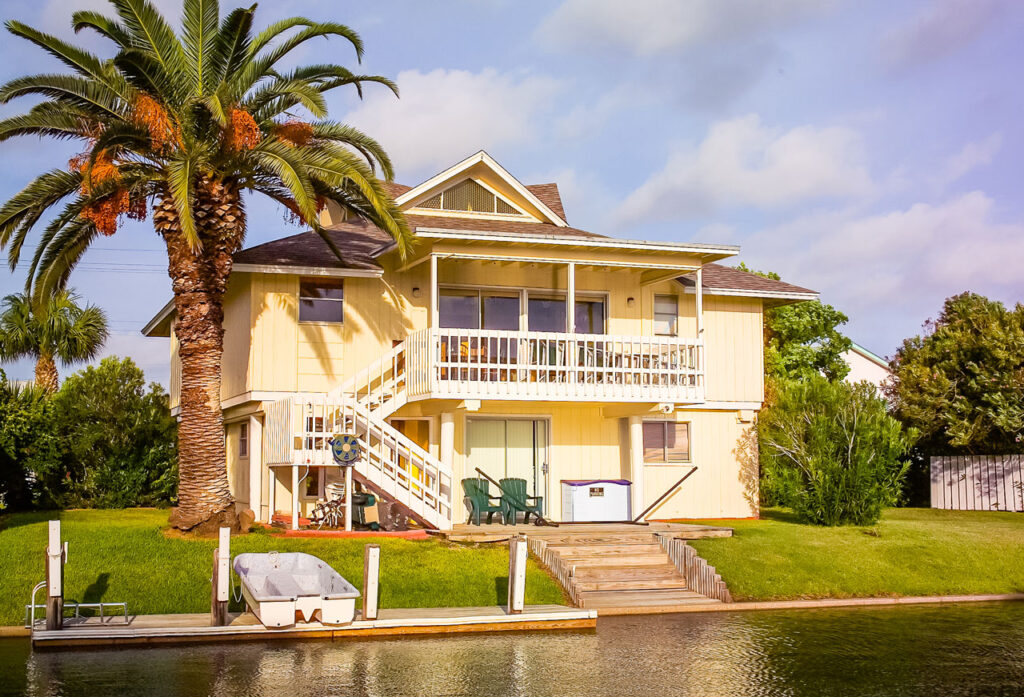
Base Flood Elevation (BFE) is the estimated floodwater height for a “base flood” (commonly described as a flood with a 1% chance of occurring in any given year). It’s a reference elevation used in floodplain management and permitting.
BFE is NOT:
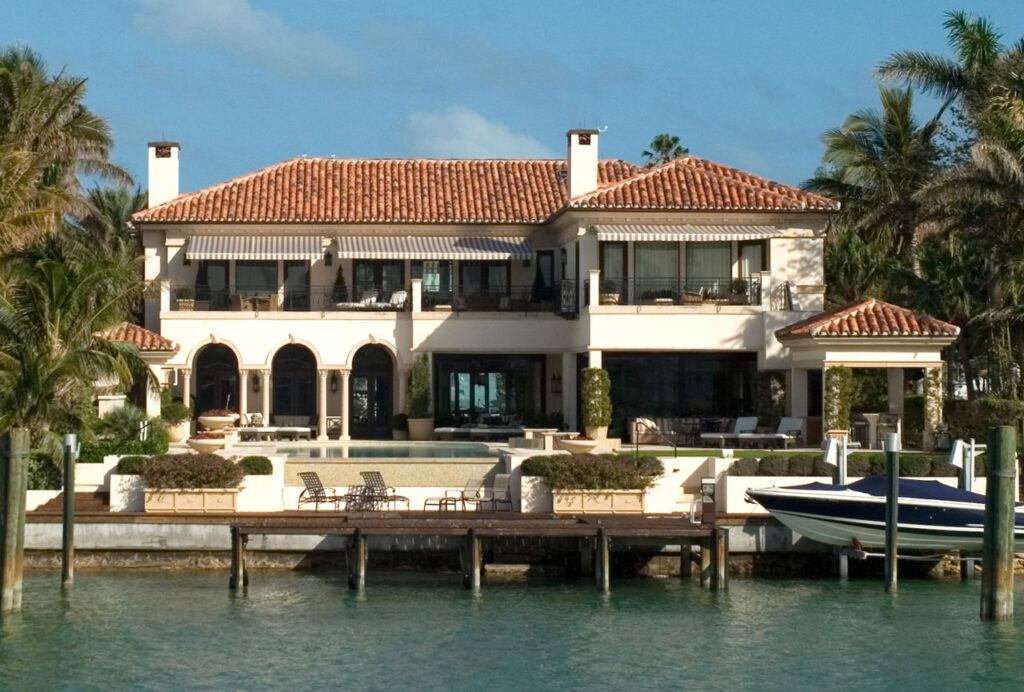
On waterfront and near-water lots, elevation is not a “detail.” It drives architecture.
BFE typically affects:
Pinellas County generally requires new or substantially improved buildings in regulated flood areas to be built above the Base Flood Elevation—often BFE plus required freeboard.
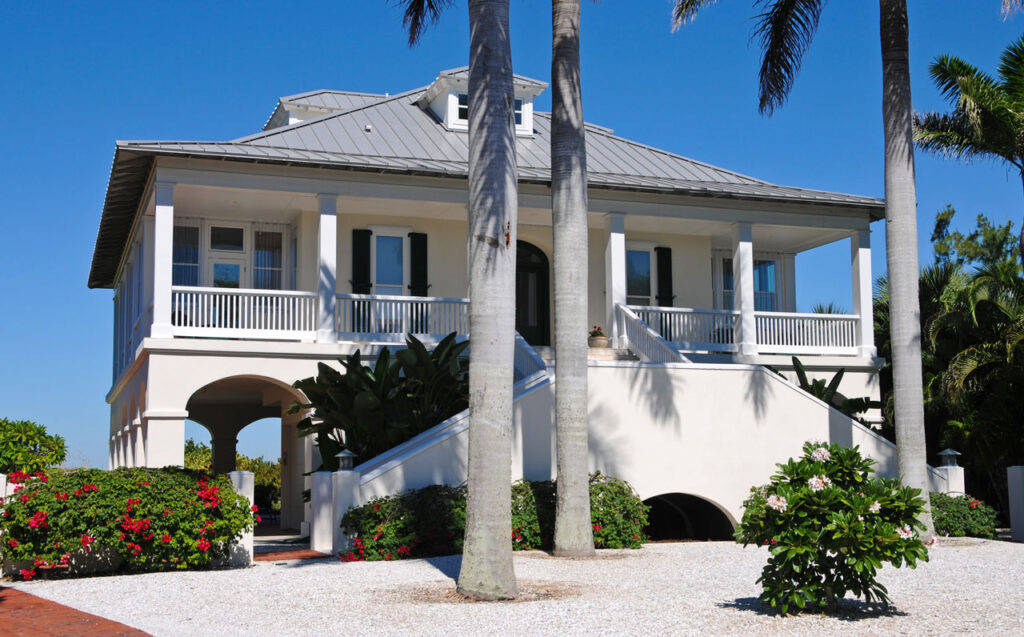
BFE starts with mapped flood data, but what matters operationally is how your local jurisdiction applies it during permitting.
Expect to confirm:
Two lots in the same neighborhood can end up with different applied requirements once survey data, design decisions, and local enforcement are factored in. Don’t guess.
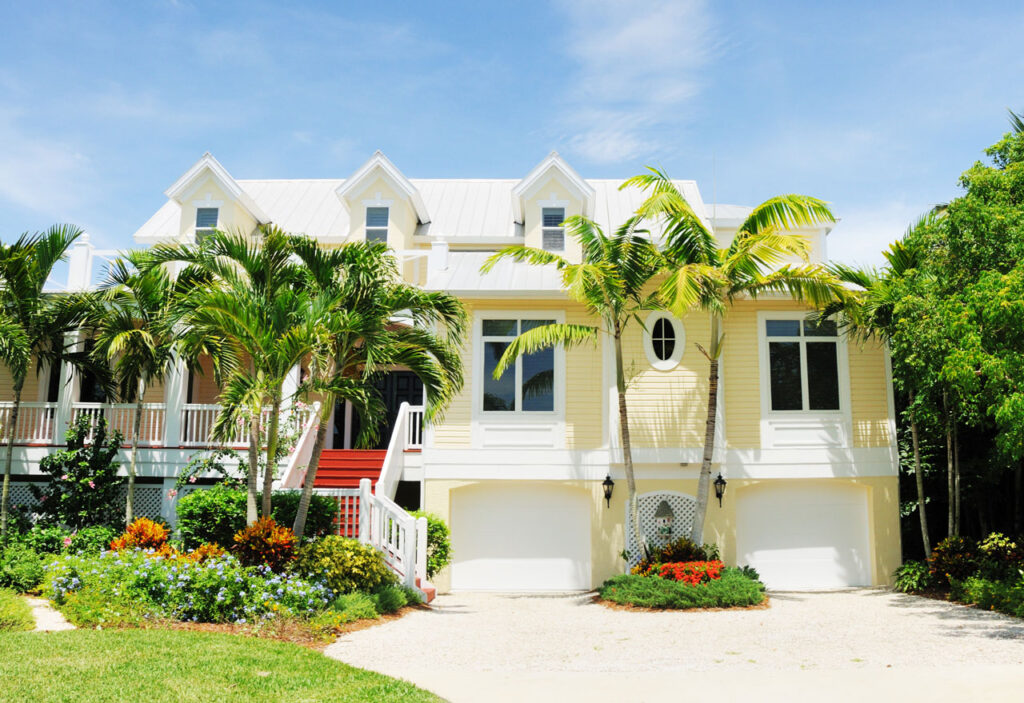
Here’s the simple framework:
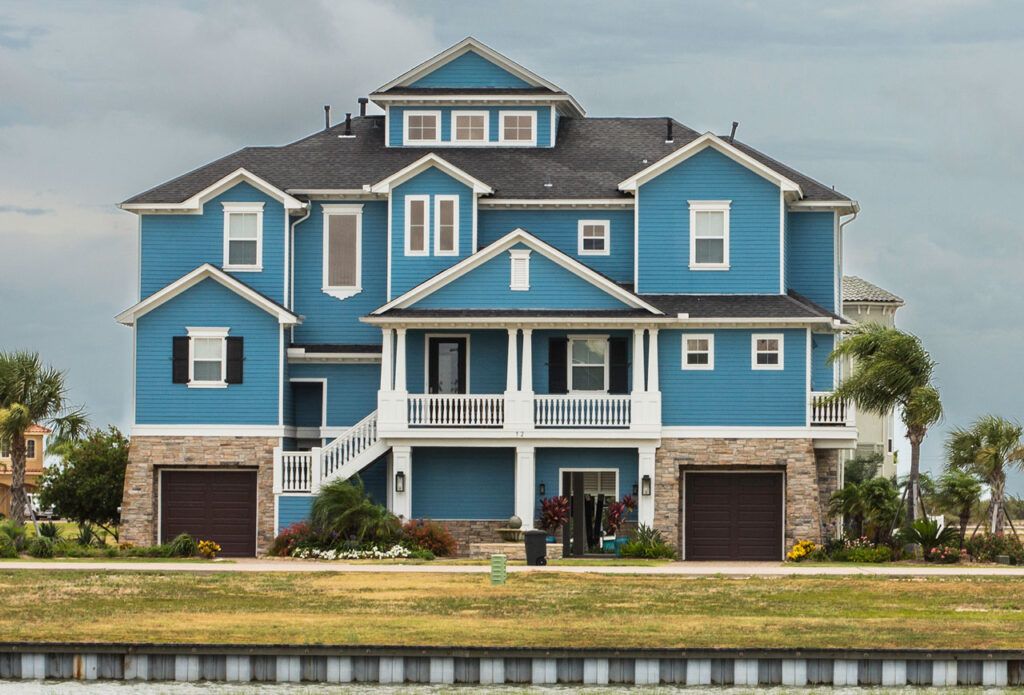
BFE isn’t just a compliance number—it changes how the home works.
Common design impacts:
Elevation drives the design—late changes cause redesign and delays.
Different construction dates, different rules, different improvement thresholds—your parcel can be different.
Below-elevation space is often constrained—especially in coastal/wave-affected areas.
A clean sequence for Pinellas near-water builds:
Base Flood Elevation—the reference flood height used in floodplain management.
Not always. Many builds must be elevated above BFE, and freeboard/DFE can change the final target.
BFE and the elevation you build to can influence risk rating and costs (property-specific).
Yes. Flood mapping and studies can be updated, so confirm current applied requirements during feasibility.
Different rules, different dates, different site conditions, and different applied requirements.