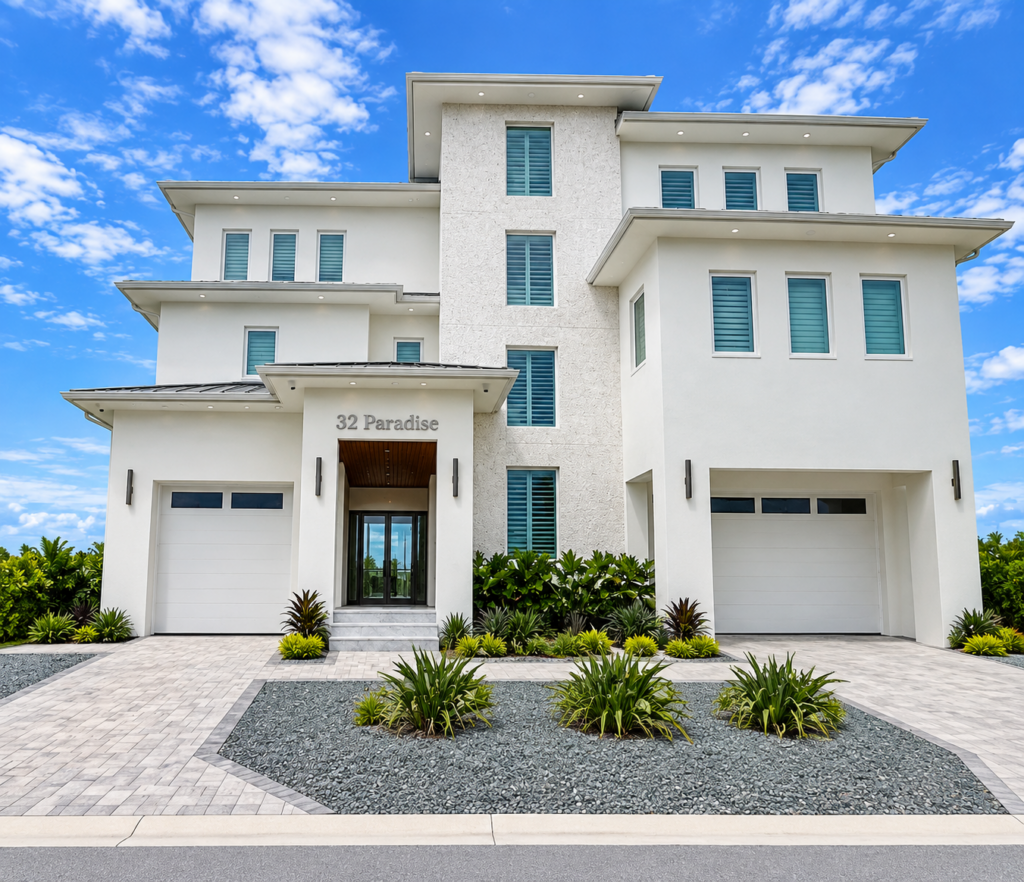
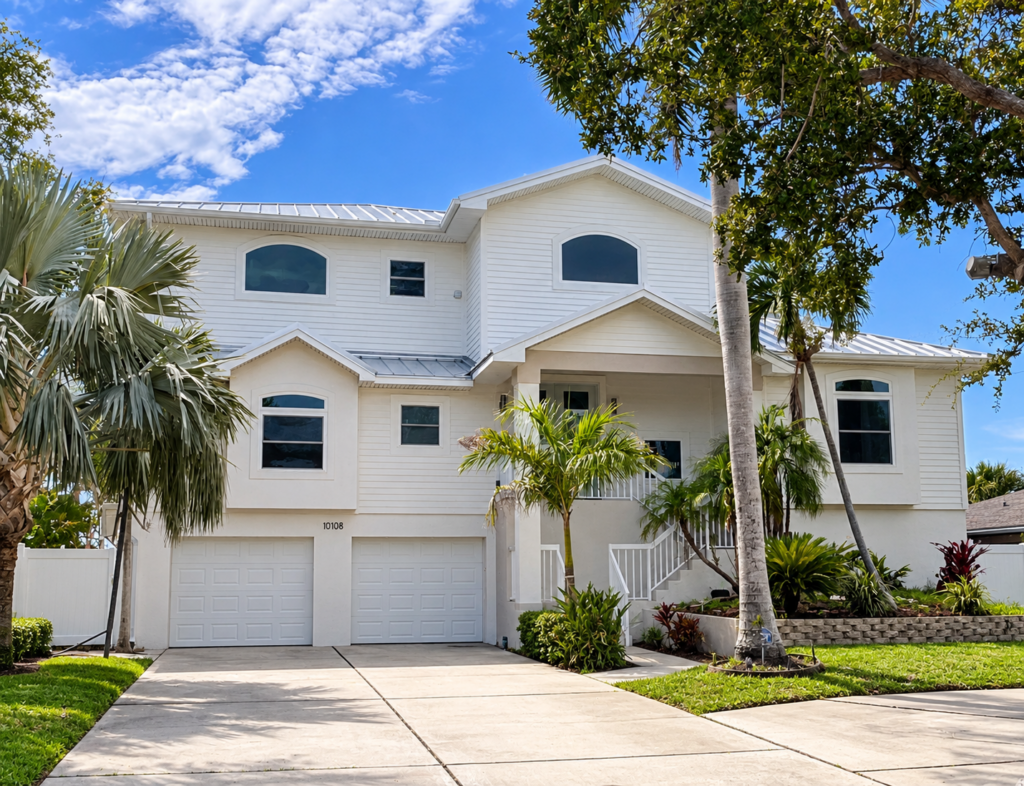
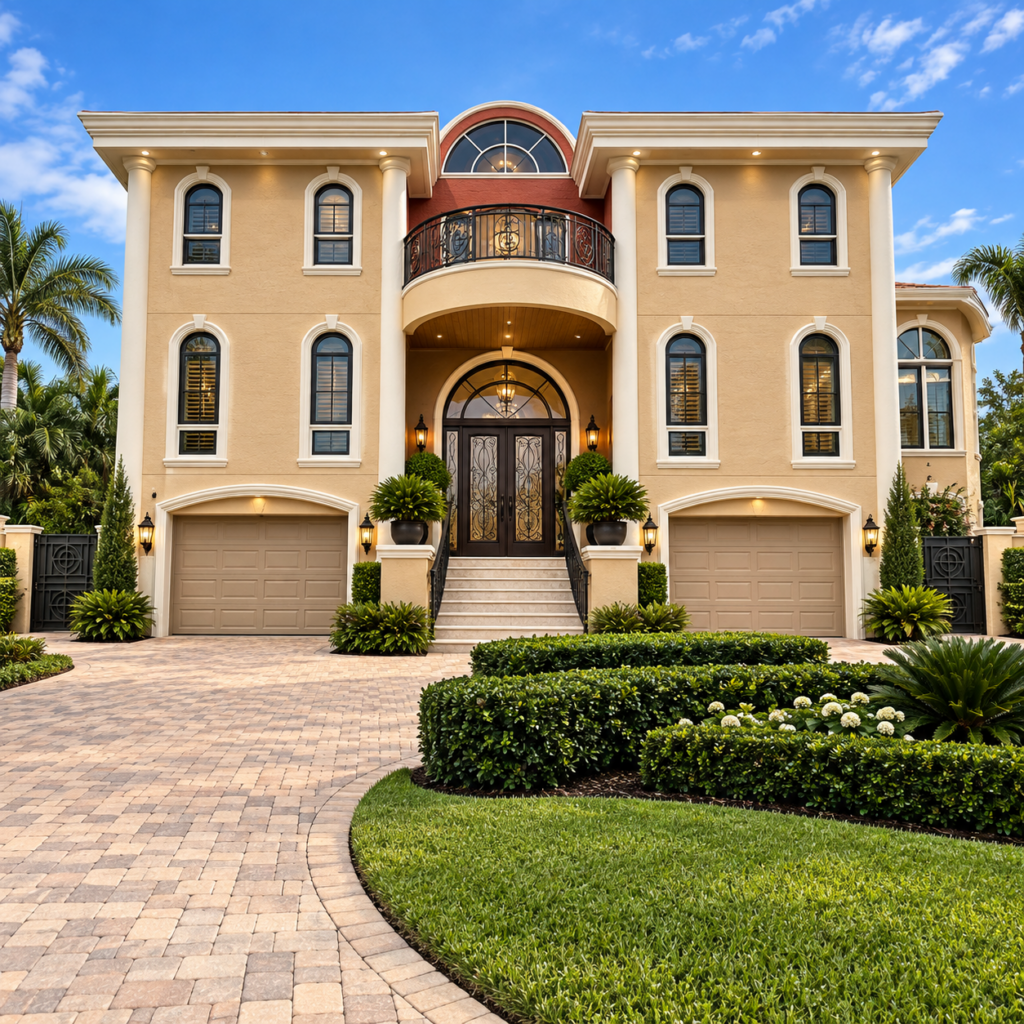
North Redington Beach offers a compact barrier-island setting with Gulf, intracoastal, and near-water ownership patterns.
The community can appeal to buyers seeking a quieter beach environment than larger resort-oriented markets. The exact shoreline, lot, flood, structure, and use conditions remain decisive.
North Redington Beach fits owners who want a smaller-scale coastal community with convenient access to the wider beaches corridor. Properties vary substantially between Gulf-front, intracoastal, canal, and interior locations.
Gulf-front exposure, intracoastal access, dockage, route, and water depth are different ownership products. Vessel requirements should be tested against the exact parcel.
The community supports primary, seasonal, and second-home use with beach access and a quieter residential pattern. Owners should evaluate rental, traffic, and neighboring-use conditions where relevant.
Older homes and constrained lots may create opportunities for elevated replacement or significant modernization. Height, setbacks, parking, access, and outdoor-living design require early coordination.
Flood, storm exposure, salt, drainage, seawall, dune, access, and insurance considerations vary by side of the island and parcel.
Owners seeking a quieter barrier-island community
Beach-oriented second-home buyers
Intracoastal boaters with verified route needs
Clients considering elevated replacement
Owners valuing compact community scale
Choose North Redington Beach when smaller-scale barrier-island living fits better than a larger tourism-oriented beach market.
The community profile should narrow the decision. The Waterfront Intelligence Review™ determines whether the specific property supports the desired outcome.
If you own or are evaluating a property in North Redington Beach, begin with the property.
A Waterfront Intelligence Review™ can help identify the property’s strengths, constraints, risks, opportunities, and most appropriate ownership path.
This guide is educational and preliminary. Property-specific conditions must be confirmed through current surveys, engineering, floodplain and elevation data, permitting authorities, title and legal review, insurance professionals, marine contractors, and other qualified specialists.