
Before You Buy, Renovate, Rebuild, or Design — Start With The Property.
Complimentary Strategic Consultation For Waterfront Buyers And Owners.
In our experience, that decision often comes much later.
The most important decisions typically occur before plans are drawn, before architects are hired, before budgets are established, and before construction discussions begin.
They occur when a buyer or owner decides how to evaluate the property itself.
A waterfront property is far more than a house with water behind it.
It is a combination of:
Yet many people begin by focusing almost exclusively on the structure.
They ask:
Those are important questions.
They are simply not the first questions.
At Gast Homes, we believe waterfront decisions should begin with understanding the property.
That belief led us to create the Waterfront Intelligence Review™.
This is not a construction estimate.
It is not a builder sales presentation.
It is not an architectural design meeting.
It is a structured strategic consultation designed to help waterfront buyers and owners better understand a property’s opportunities, constraints, risks, and long-term potential before major commitments are made.
The Waterfront Intelligence Review™ is designed for buyers and owners who recognize that waterfront property deserves thoughtful evaluation before major decisions are made.
Most builders begin with the house.
Gast Homes begins with the property.
Before discussing architecture, construction budgets, schedules, or finishes, we focus on four areas that ultimately influence ownership satisfaction and long-term value.
Every waterfront property contains opportunities and limitations.
Some are obvious.
Many are not.
Questions worth evaluating include:
The answers often influence every decision that follows.
The waterfront itself is often the most valuable feature of the property.
We evaluate:
Many owners spend more time interacting with the water than they do with some rooms inside the home.
That reality should influence planning decisions.
Great waterfront properties support how owners actually live.
Questions frequently include:
The answers often matter more than architectural preferences.
Many decisions should be evaluated through a ten-year lens rather than a one-year lens.
The Waterfront Intelligence Review™ helps bring long-term thinking into today’s decisions.
Every waterfront property is different.
A deep-water property in Tierra Verde presents different opportunities than an open-water property in Treasure Island.
A redevelopment candidate in Snell Isle raises different questions than a build-on-your-lot opportunity in Belleair Beach.
For that reason, every review is tailored to the property and ownership objectives.
Topics typically include:
Evaluation of whether the property is best served through:
Ensuring future decisions align with how the property will actually be used.
Helping buyers and owners think beyond immediate decisions and evaluate future implications.
One of the most interesting observations we have made over the years is that experienced waterfront owners often evaluate property very differently than first-time waterfront buyers.
First-time buyers frequently focus on the house.
Experienced owners frequently focus on the property.
That shift usually comes from experience.
They have learned that waterfront ownership is rarely defined by:
Instead, ownership satisfaction is often driven by:
These characteristics influence everyday ownership.
They are also the characteristics that are often the most difficult to change.
The Waterfront Intelligence Review™ helps buyers evaluate property through the lens of long-term ownership rather than short-term presentation.
Not every waterfront property is special for the same reason.
For some owners, it is the view.
For others, it is the ability to step onto the dock and be on the water within minutes.
For some, it is entertaining friends under a covered lanai while watching the sunset.
For others, it is creating a place where children and grandchildren naturally gather.
The challenge is that many buyers become so focused on the structure that they stop evaluating the experiences the property makes possible.
Yet those experiences are often the reason the property was purchased in the first place.
A waterfront property should do more than provide shelter.
It should support a lifestyle.
It should create memories.
It should make everyday life feel different than it would somewhere else.
That is why Gast Homes evaluates waterfront property through a broader lens.
We are interested in:
Because those factors often influence long-term satisfaction more than the structure itself.
The most successful waterfront properties feel natural.
The waterfront feels connected to the home.
The outdoor spaces feel intentional.
The boating experience feels convenient.
The property supports how the owner wants to live.
When those elements align, waterfront ownership becomes significantly more rewarding.
One of the most important distinctions we discuss with clients is the difference between a waterfront house and a waterfront property.
A waterfront house is a structure located near water.
A waterfront property is an asset that fully leverages the opportunities created by its location.
The difference may sound subtle.
In practice, it is significant.
A waterfront house may have:
Yet still fail to maximize:
A waterfront property is evaluated differently.
The question is not:
“How nice is the house?”
The question becomes:
“How effectively does the property support the lifestyle and opportunities created by the waterfront?”
That perspective often changes how buyers evaluate acquisitions, how owners evaluate redevelopment, and how long-term decisions are made.
It is also one of the core principles behind the Property First™ Framework.
Buying waterfront property is fundamentally different from buying traditional residential real estate.
Two waterfront homes can appear similar online while creating dramatically different ownership experiences.
One may support a large yacht.
Another may not.
One may provide quick Gulf access.
Another may require lengthy transit.
One may offer exceptional sunset views.
Another may face directly into neighboring homes.
Photographs rarely reveal these distinctions.
Listings rarely explain them.
One of the most important questions a buyer can ask is:
The kitchen can be remodeled.
The floor plan can often be modified.
Even the house itself can be replaced.
The waterfront location cannot.
The lot orientation cannot.
The neighborhood cannot.
The quality of the view generally cannot.
The most successful waterfront buyers focus heavily on the characteristics that cannot be changed because those characteristics frequently drive long-term ownership satisfaction.
Many buyers become focused on the property itself while overlooking how they intend to live.
Will you entertain frequently?
Do you own a boat?
Do you plan to own a larger boat in the future?
Is this a retirement property?
A second home?
A family gathering place?
The answers should influence the evaluation process.
Some waterfront properties are excellent homes.
Others are exceptional opportunities.
The difference matters.
A property may have redevelopment potential that is not immediately obvious.
It may support a dramatically different ownership experience than the current improvements suggest.
The Waterfront Intelligence Review™ helps buyers think beyond today’s house and evaluate tomorrow’s possibilities.
At some point, most waterfront owners reach a crossroads. The property has appreciated. The neighborhood has evolved. The home no longer perfectly supports how they live. Their boating needs have changed. Their family situation has changed. Or they simply begin to wonder whether the property is capable of more. That moment often leads to one fundamental question: What should we do next? Most owners assume the answer is either renovation or rebuilding. In reality, there are often five possible paths forward.
The property continues to support ownership goals and no major changes are required.
Targeted improvements solve the primary challenges while preserving the existing structure.
Additional functionality is needed while maintaining the home’s overall strategy.
The property’s potential exceeds the capabilities of the current improvements.
A completely new home creates the strongest long-term outcome.
The challenge is that many owners begin pursuing one of these solutions before determining whether it is actually the right solution.
The Waterfront Intelligence Review™ is designed to slow that process down long enough to evaluate the property objectively.
Because renovating the wrong house is still the wrong strategy.
Adding square footage to a poorly positioned home may not improve ownership satisfaction.
And rebuilding a home that could have achieved the same outcome through strategic improvements may create unnecessary expense and disruption.
The objective is not to identify the largest project.
The objective is to identify the most appropriate path for the property.
Community influences ownership more than many buyers realize.
Two waterfront properties may offer similar square footage, similar views, and similar pricing while creating dramatically different ownership experiences.
The reason is often the community itself.
A waterfront property in Tierra Verde presents a fundamentally different lifestyle than a property in Snell Isle.
A home in Treasure Island creates different opportunities than one in Belleair Beach.
A property in Madeira Beach raises different boating and recreation considerations than a waterfront home in downtown St. Petersburg.
Understanding these differences is an important part of evaluating any waterfront opportunity.
That is why Community Intelligence™ is one of the foundational elements of the Waterfront Intelligence Review™.
Treasure Island offers one of the most balanced waterfront lifestyles in Tampa Bay.
Owners enjoy a unique combination of:
Many properties in Treasure Island also present meaningful redevelopment opportunities because of their waterfront positioning and long-term desirability.
For owners evaluating whether to renovate, elevate, redevelop, or rebuild, understanding the property’s long-term potential is often just as important as evaluating the home itself.
Tierra Verde is often viewed through a boating lens.
For serious boaters, the community offers several compelling advantages:
Because boating often plays a central role in ownership, waterfront functionality tends to carry greater importance than it does in many other communities.
Questions regarding dock configuration, vessel planning, and water access frequently become major decision drivers.
Snell Isle presents a different ownership profile.
The community is often valued for:
Many ownership discussions in Snell Isle focus on long-term value preservation and generational ownership planning.
The community often attracts owners who think beyond immediate needs and evaluate property through a much longer horizon.
Belleair Beach appeals to owners seeking privacy and exclusivity.
The community’s character often influences decisions regarding:
For many owners, the appeal of Belleair Beach is not simply the waterfront itself.
It is the combination of waterfront living and privacy.
Madeira Beach combines waterfront living with recreational access.
Boating, fishing, and waterfront activity frequently influence ownership priorities.
For many buyers, understanding how the property interacts with those activities becomes an important part of evaluating long-term ownership satisfaction.
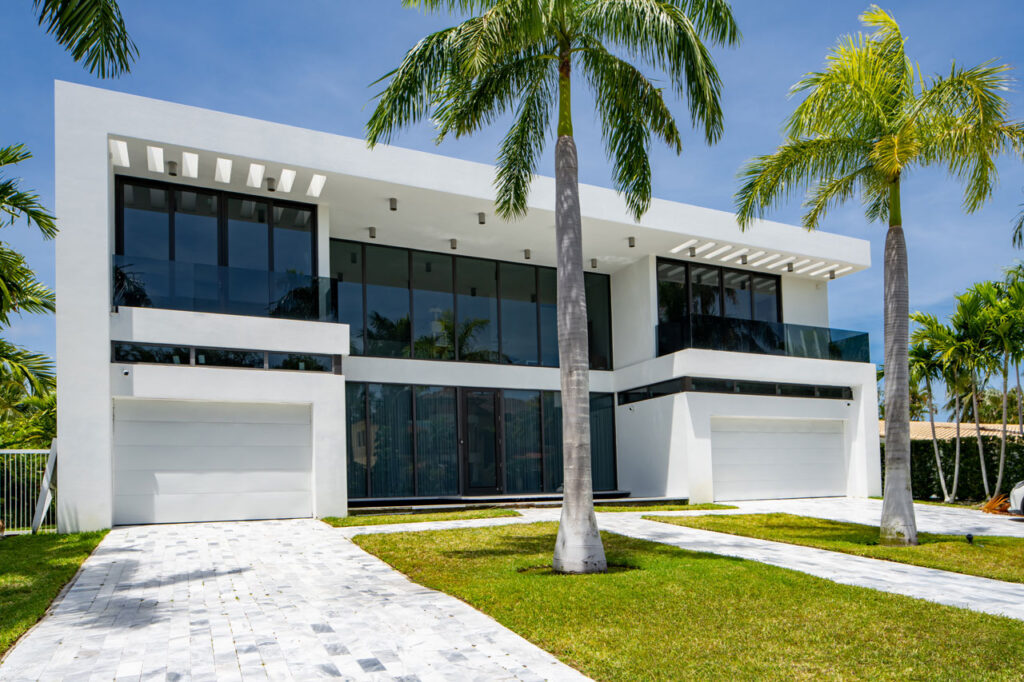
Most real estate evaluations focus heavily on the property.
Many construction discussions focus heavily on the structure.
The Waterfront Intelligence Review™ evaluates something broader:
How does this property fit within the community?
Because ownership experience is influenced by more than the house itself.
It is influenced by the neighborhood, the waterfront, the boating environment, the lifestyle, and the long-term opportunities created by location.
Those factors deserve thoughtful consideration before major decisions are made.
It is one of the primary reasons the property was purchased.
Yet boating considerations are frequently underrepresented during planning discussions.
One of the first questions we often ask is:
“What boat do you own today?”
Closely followed by:
“What boat do you hope to own five years from now?”
The answers influence far more than most people realize.
Boat ownership affects:
A waterfront property should support the lifestyle it was purchased to enjoy.
If boating plays a central role in ownership, then boating should influence planning decisions from the beginning.
Many buyers focus on whether a boat fits today.
Experienced waterfront owners often focus on whether the property will support the next boat as well.
That distinction can dramatically influence long-term ownership satisfaction.
The answers often matter more than buyers initially expect.
A kitchen can be renovated.
A floor plan can be changed.
A house can be rebuilt.
But certain characteristics are permanent.
The waterfront location.
The lot orientation.
The quality of the view.
The neighborhood.
The boating access.
These factors frequently influence ownership satisfaction more than any architectural decision ever will.
The most successful waterfront owners understand this instinctively.
They focus on the characteristics that cannot be changed because those characteristics often determine the property’s long-term value and enjoyment.
Many people think they own a house on waterfront property.
In reality, many own waterfront property with a house on it.
That distinction changes everything.
The conversation shifts from:
“How do we improve the house?”
to:
“What should this property become?”
That shift frequently reveals opportunities that would otherwise remain hidden.
One of the most common mistakes in waterfront real estate is assuming value is created primarily inside the structure.
In practice, waterfront ownership is often experienced:
Some of the most successful projects improve these experiences without dramatically increasing conditioned square footage.
The property’s relationship to the waterfront often matters more than the size of the home itself.
The goal of a waterfront property should not be maximizing square footage.
The goal should be maximizing enjoyment.
More square footage does not automatically create a better ownership experience.
Better waterfront interaction often does.
Better outdoor living often does.
Better views often do.
Better boating functionality often does.
The most successful waterfront projects are rarely defined by size alone.
They are defined by how effectively they support the lifestyle the owner hopes to enjoy.
An owner initially focused on renovation.
After evaluating the property, it became clear that the greatest opportunity involved reimagining the relationship between the home, waterfront, and outdoor living areas.
The conversation shifted from improving the structure to maximizing the property.
That change ultimately produced a stronger long-term outcome.
Not every Waterfront Intelligence Review™ leads toward redevelopment.
Sometimes the review creates the opposite conclusion.
An owner may assume rebuilding is the only logical solution.
After evaluating the property, ownership goals, and long-term objectives, it becomes clear that strategic improvements can accomplish nearly everything they hope to achieve.
The best outcome is not always the largest project.
The best outcome is the one that most effectively supports the owner’s goals.
Many waterfront owners purchase property because of boating.
Years later, they discover that the property does not support the lifestyle they envisioned.
Perhaps the dock configuration creates challenges.
Perhaps the property no longer supports the vessel they want to own.
Perhaps waterfront circulation limits usability.
The Waterfront Intelligence Review™ helps owners evaluate how the property supports life on the water and identify opportunities for improvement.
Many waterfront properties throughout Tampa Bay are owned by people who spend part of the year elsewhere.
Major decisions are often being made remotely.
The Waterfront Intelligence Review™ provides a structured process for evaluating opportunities before significant commitments are made, even when the owner is not local full-time.
One of the advantages of spending decades around waterfront property is that patterns begin to emerge.
Different owners. Different properties. Different budgets. Different goals.
Yet many of the same lessons appear repeatedly.
The Waterfront Intelligence Review™ was created largely because of those lessons.
Over the years, we have observed that the most successful waterfront owners are rarely the ones who spend the most money.
They are the ones who make the most informed decisions.
They understand that waterfront ownership is fundamentally different from traditional residential ownership.
And they understand that the property itself deserves thoughtful evaluation before major commitments are made.
Some opportunities are obvious.
Many are not.
A property’s greatest strength may not be visible from the street.
It may not be obvious during a showing.
It may not appear in the listing description.
Sometimes the most valuable characteristics only become apparent after evaluating:
The best waterfront decisions are rarely based on first impressions alone.
Many buyers initially focus on interior square footage.
Years later, they often realize they spend more time:
than they do in certain interior rooms.
That realization frequently changes renovation and redevelopment priorities.
The most successful waterfront properties often create extraordinary experiences outside the home rather than simply adding more conditioned space inside it.
The way a property is used often changes over time.
Young families become empty nesters.
Weekend boating becomes extended cruising.
Retirement changes how owners spend their time.
Children and grandchildren begin visiting more frequently.
Properties that adapt well to those changes tend to create stronger long-term ownership experiences.
Properties that do not often become candidates for renovation or redevelopment.
One of the most overlooked aspects of waterfront ownership is convenience.
How easy is it to use the boat?
How easy is it to entertain?
How easy is it to move between the home and the waterfront?
How easy is it to enjoy the property on a daily basis?
Small inconveniences often become large frustrations over time.
Conversely, thoughtful design decisions frequently create value that owners appreciate for decades.
Many expensive mistakes occur because important questions are asked too late.
After plans are complete.
After budgets are finalized.
After significant resources have already been committed.
The earlier the property is evaluated, the more options remain available.
That principle sits at the heart of the Waterfront Intelligence Review™.
Because the objective is not simply making a decision.
It is making the right decision while meaningful choices still exist.
For many owners, waterfront property is more than a real estate asset.
It becomes part of family history.
It is where holidays are celebrated.
Where grandchildren learn to fish.
Where family traditions are created.
Where sunsets are shared.
Where memories accumulate over decades.
That reality introduces a question that rarely appears in traditional construction discussions:
For some owners, the answer is preservation.
For others, improvement.
For others, transformation.
There is no universally correct answer.
The important thing is asking the question before major decisions are made.
The Waterfront Intelligence Review™ helps create space for those conversations.
Because the best waterfront decisions are not always financial decisions.
Sometimes they are lifestyle decisions.
Sometimes they are family decisions.
And sometimes they are legacy decisions.
Understanding that distinction often changes the direction of the entire project.
mattis, pulvinar dapibus leo.
Many waterfront owners never have the opportunity to ask certain questions until after major decisions have already been made.
Not because they are poor questions.
But because they are rarely part of the traditional building process.
The following questions frequently create the most valuable conversations.
Many owners spend months evaluating finishes, layouts, and budgets.
Far fewer spend time evaluating the property itself.
Yet the property’s characteristics often influence ownership satisfaction more than the structure.
Before making major decisions, it is worth asking:
Are we improving the house?
Or are we improving the ownership experience?
The answers are not always the same.
Different owners value different things.
Some prioritize boating.
Some prioritize privacy.
Some prioritize entertaining.
Some prioritize family gatherings.
Some simply want a peaceful place to watch the sunset.
Understanding what matters most helps guide every decision that follows.
This question often creates surprising clarity.
Owners frequently discover they are preserving decisions that no longer support how they live today.
That realization does not automatically mean redevelopment.
It simply creates an opportunity to evaluate alternatives.
Many projects become constrained by existing conditions.
The review encourages owners to think differently.
Rather than asking:
“What can we do with what exists?”
We often ask:
“What would best support the future we want to create?”
That perspective frequently uncovers opportunities that would otherwise remain hidden.
For many families, waterfront property extends beyond personal use.
It becomes part of a family’s long-term story.
Thinking like a steward rather than simply an owner often changes how long-term decisions are evaluated.
Over time, certain regrets appear repeatedly among waterfront owners.
The Waterfront Intelligence Review™ exists largely to help prevent them.
The home improved.
The property did not.
Years later, owners often realize they solved the wrong problem.
The waterfront experience turned out to be different than expected.
Water access was more restrictive.
Boating was less convenient.
The waterfront did not function as envisioned.
Lifestyle changes eventually made the original decisions less effective.
The property no longer supported how the owners actually lived.
The property was capable of more than anyone realized at the time.
A broader evaluation may have revealed possibilities that were never considered.
This is perhaps the most common regret of all.
By the time important questions surfaced, major decisions had already been made.
Plans had been completed.
Budgets had been committed.
Opportunities had disappeared.
The earlier meaningful questions are asked, the easier it becomes to avoid these outcomes.
The Waterfront Intelligence Review™ is not intended to persuade you to build.
It is not intended to persuade you to renovate.
It is not intended to persuade you to redevelop.
Its purpose is simpler.
We want you to understand the property more clearly than you did before.
Because once that happens, better decisions tend to follow naturally.
Sometimes those decisions involve construction.
Sometimes they do not.
Either outcome can be a success if it is the right outcome for the property and the people who own it.
The Waterfront Intelligence Review™ is designed for people who recognize that waterfront property deserves thoughtful evaluation before major decisions are made.
While every situation is unique, the review is particularly valuable for several groups.
Evaluating a waterfront property before closing can create tremendous value.
Understanding what cannot be changed is often more important than understanding what can.
The review helps buyers identify opportunities, limitations, risks, and long-term considerations before making a significant investment.
Many owners find themselves evaluating whether to renovate, redevelop, elevate, expand, or rebuild.
The review helps create clarity before substantial resources are committed.
Owners who spend part of the year elsewhere often face the challenge of making important decisions remotely.
The Waterfront Intelligence Review™ provides a structured framework for evaluating opportunities even when the owner is not local full-time.
Many clients are successful professionals who value thoughtful decision-making.
They understand that a small improvement in decision quality can create a significant improvement in long-term outcomes.
Retirement frequently changes how waterfront property is used.
The review helps owners evaluate whether the property still supports their lifestyle and future goals.
Some owners suspect the property may be capable of more than the current improvements provide.
The review helps determine whether redevelopment opportunities deserve further consideration.
Many waterfront owners contact Gast Homes after they have already decided what they believe the solution should be.
A renovation. A rebuild. An addition. A custom home.
Sometimes those instincts are correct. Sometimes they are not.
The following situations often indicate that a broader evaluation may be worthwhile.
You have explored ideas.
Reviewed plans.
Talked with contractors.
Yet uncertainty remains.
That uncertainty may indicate the underlying question has not yet been fully answered.
Many owners cannot immediately identify the issue.
They simply know the ownership experience is not reaching its full potential.
The waterfront may feel underutilized.
Outdoor living may feel disconnected.
The home may not interact with the water the way it should.
Those situations often deserve closer evaluation.
The larger the investment, the more valuable strategic clarity becomes.
Whether the project involves renovation, redevelopment, expansion, elevation, or a custom home, the objective should be ensuring resources are directed toward the right opportunity.
Boating habits change.
Families evolve.
Retirement changes priorities.
The Waterfront Intelligence Review™ helps owners determine whether the property still aligns with how they want to live.
This is one of the most common reasons people request a review.
The objective is not to push owners toward a particular answer.
The objective is to create enough clarity that the right answer becomes easier to identify.
Before making any significant waterfront decision, we encourage owners and buyers to run the opportunity through a simple filter.
The goal is not to create more analysis.
The goal is to improve decision quality.
A decision may improve the structure while doing very little to improve the ownership experience.
The strongest investments frequently improve:
rather than simply updating the house itself.
Many improvements create short-term satisfaction.
Fewer create long-term value.
When evaluating a project, ask:
Will we still be glad we made this decision a decade from now?
Not how we imagine we live.
Not how a floor plan suggests we should live.
How we truly live.
The best waterfront properties are aligned with real behavior.
Real boating habits.
Real entertaining patterns.
Real family dynamics.
Many projects begin with a solution rather than a diagnosis.
The Waterfront Intelligence Review™ encourages owners to step back and confirm that the problem being solved is actually the most important one.
Because solving the wrong problem exceptionally well still produces the wrong outcome.
Some of the strongest waterfront opportunities are not obvious.
They emerge only after evaluating the property from a broader perspective.
The Waterfront Intelligence Review™ was designed to help uncover those opportunities before major decisions are made.
Yes.
The initial review is provided at no cost.
Its purpose is to help waterfront buyers and owners make more informed decisions before significant investments are made.
No.
It is a strategic property-focused consultation.
Construction may ultimately become part of the conversation, but it is not the starting point.
Absolutely.
Many buyers find the review especially valuable before closing.
Yes.
This is one of the most common reasons owners request a review.
No.
Many reviews occur before architectural planning begins.
No.
The objective is simply to provide clarity and guidance.
Submit a Waterfront Intelligence Review™ request.
Participate in a 15–30 minute discovery conversation.
Discuss:
Determine whether additional evaluation or a site visit is appropriate.
Receive recommendations regarding potential next steps.
No pressure.
No obligation.
Just a better understanding of the property and what it may be capable of becoming.
Gast Homes has specialized in waterfront and coastal homes since 1988.
Over the decades, one lesson has remained remarkably consistent:
The most successful waterfront projects begin with understanding the property before making major decisions.
That philosophy drives every Waterfront Intelligence Review™, every redevelopment discussion, every build-on-your-lot project, and every custom waterfront home we help bring to life.
Because the property deserves to be understood before it is changed.
Gast Homes is not simply interested in building homes.
We are interested in helping owners make better waterfront decisions.
The Waterfront Intelligence Review™ reflects that commitment.
Whether you are evaluating a purchase, considering redevelopment opportunities, planning a custom waterfront home, or simply exploring future possibilities, Gast Homes can help you better understand the opportunities and constraints associated with your property.
The most successful waterfront projects rarely begin with a floor plan.
They begin with understanding.
They begin with clarity.
They begin with a thoughtful evaluation of what makes the property unique and what opportunities it may present.
Custom Waterfront & Coastal Homes Since 1988
Florida Certified General Contractor
License No. CGC1521427
Tampa Bay Waterfront & Coastal Specialists
Complimentary Strategic Consultation For Waterfront Buyers And Owners